Busbars
Copper Busbar: 55, 60, 68 or 82 mm
Match the bar to your cell spacing
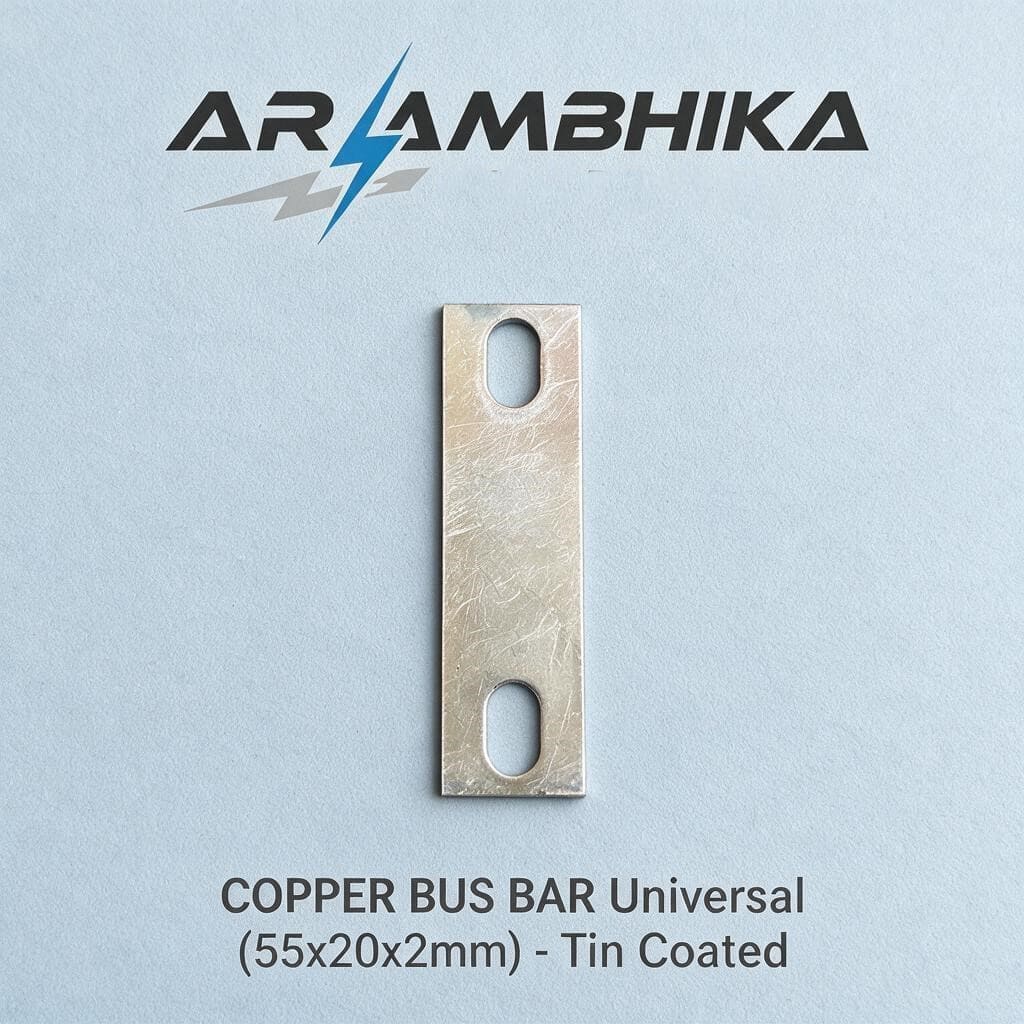
The four universal bars share the same 20 mm width and 2 mm thickness. Only the length changes, so choosing is about spacing.
The four lengths
| Bar | Cross-section |
|---|---|
| 55 x 20 x 2 mm | 40 mm² |
| 60 x 20 x 2 mm | 40 mm² |
| 68 x 20 x 2 mm | 40 mm² |
| 82 x 20 x 2 mm | 40 mm² |
All share a 40 mm² cross-section (20 x 2), so current capacity is similar; only reach differs.
Pick by terminal spacing
- Measure from the centre of one terminal to the centre of the next.
- Choose a bar that is longer than that distance by the hole margins at each end.
- Drill or confirm the hole positions to fit the cell terminal bolt size.
Using more than one bar in parallel
For more current, use two bars side by side across the same terminals, or step up to a bar of larger section. Always size for your continuous and peak current and check temperature on a test run.
See also
Tin-coated copper busbar guide and copper vs aluminium.
General guidance only. Check cell, BMS and strip datasheets and the standards that apply to your product before you build or sell a pack.
Products in this guide
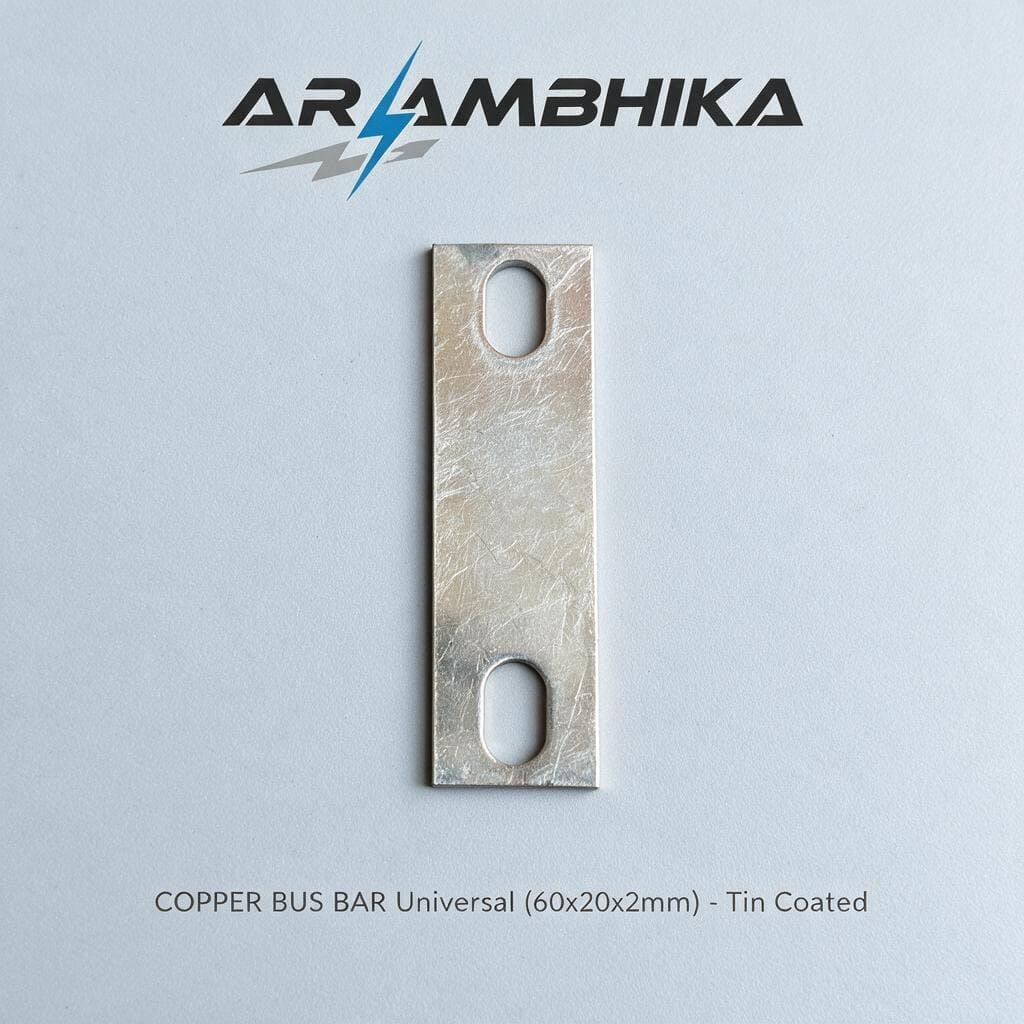
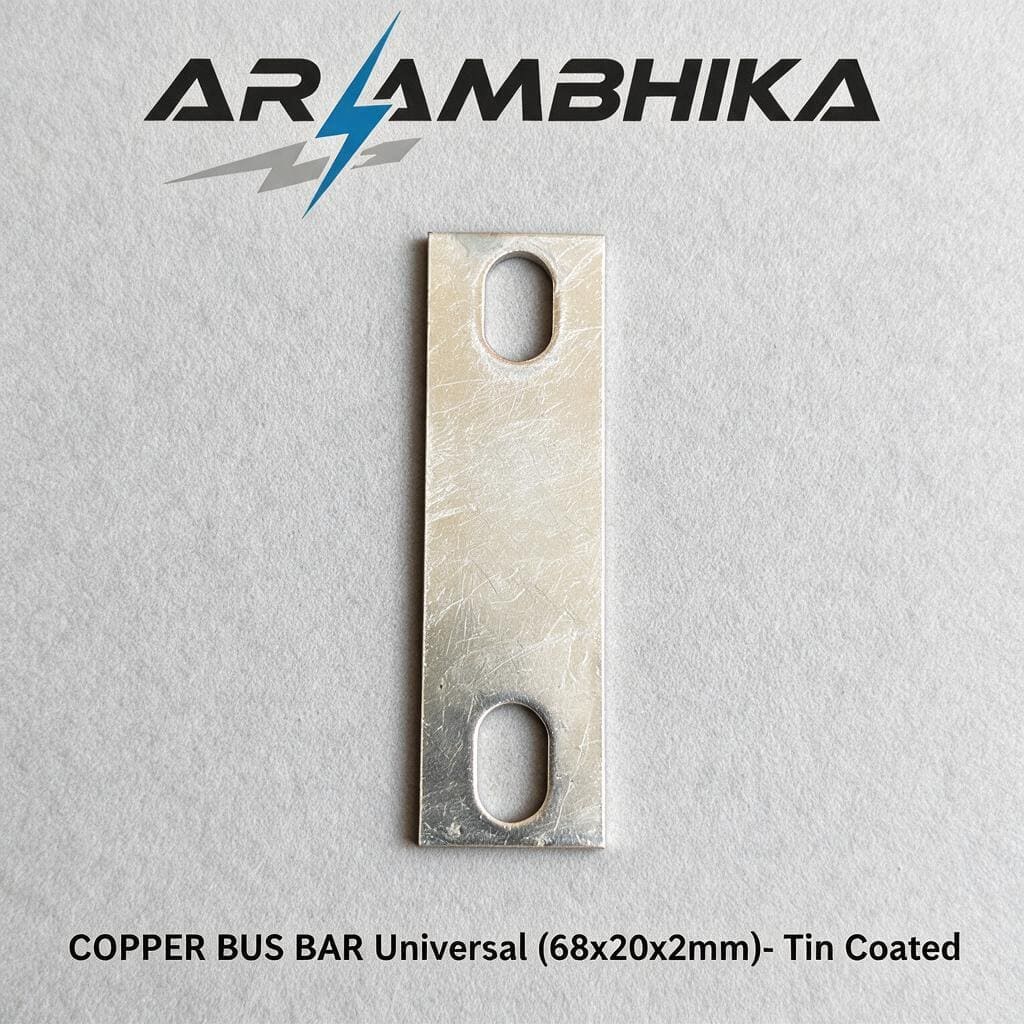
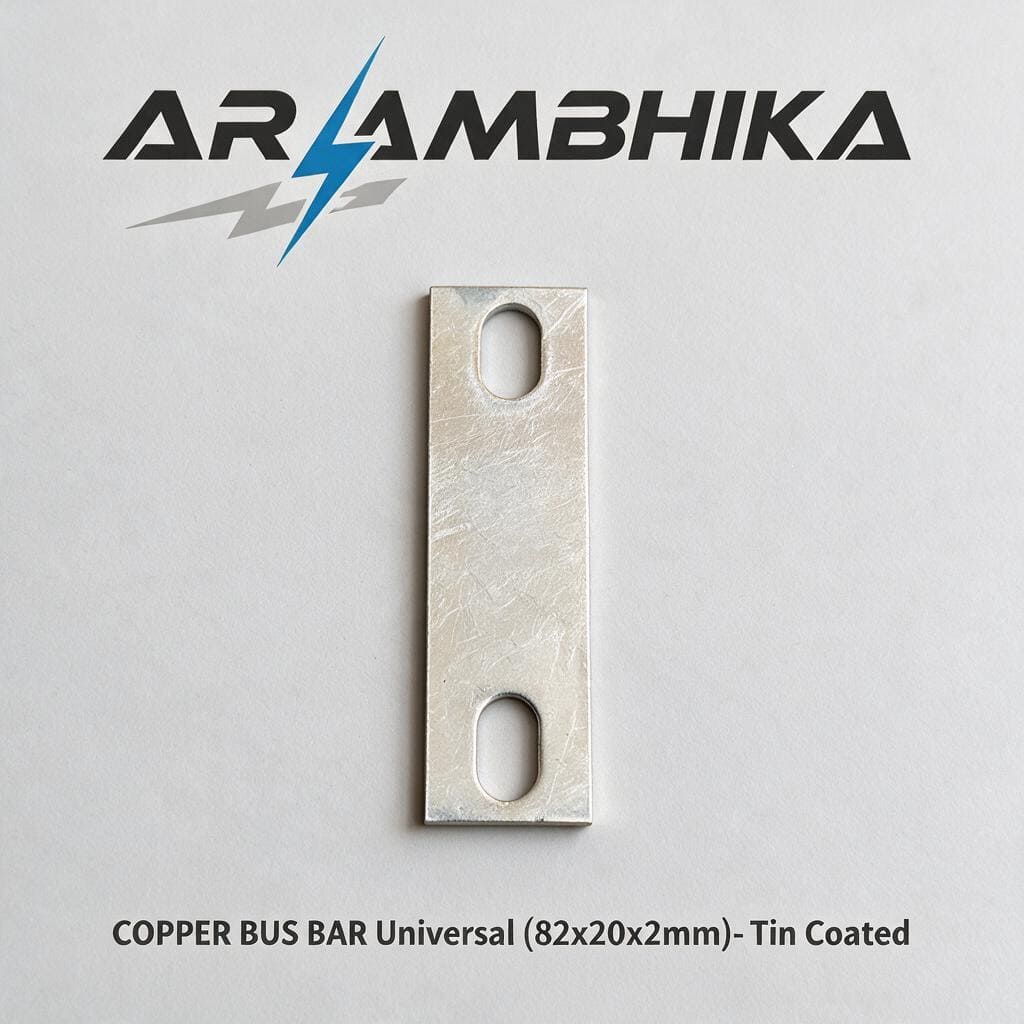
Universal tin-coated copper busbars
Live stock and price from our store. Tap a product to add it to your quote.
Loading products…
Frequently asked questions
Are the bars pre-drilled?
Check the product page and photos for hole details. Ask us if your cell needs a particular hole pattern.
Why is copper tin-plated?
Tin helps resist oxidation and gives a stable surface for bolted joints.
Can I bend the bar?
Copper can be bent gently, but bending can crack the tin coating. Use a straight bar where possible.