Pack Building
Busbar Torque and Joint Checks
Make every bolted joint low-resistance
A bolted joint that is too loose heats up; one that is too tight can crack a terminal. Torque is the middle path.
Prepare
- Clean cell terminal and busbar faces; remove oil and oxide.
- Use the bolts, washers and spring washers the cell maker specifies.
- Fit the busbar flat so the whole face touches the terminal.
Torque it
Use a calibrated torque wrench to the value in the cell datasheet. Tighten in two steps, half then full, and mark each bolt with a paint pen so you can see if it later moves. Do not guess the number: terminal threads differ between cells.
Check the joints
- Resistance: a milliohm meter across each joint; compare all joints and chase any that read higher.
- Heat: run the pack under load and scan with a thermal camera. A hot joint is a loose or dirty joint.
- Re-check: after the first cycles, then at regular service intervals.
Materials
On tin-coated copper use clean, dry joints. On aluminium prepare the surface and follow the cell maker's advice on contact compound. See the aluminium guide.
General guidance only. Check cell, BMS and strip datasheets and the standards that apply to your product before you build or sell a pack.
Products in this guide
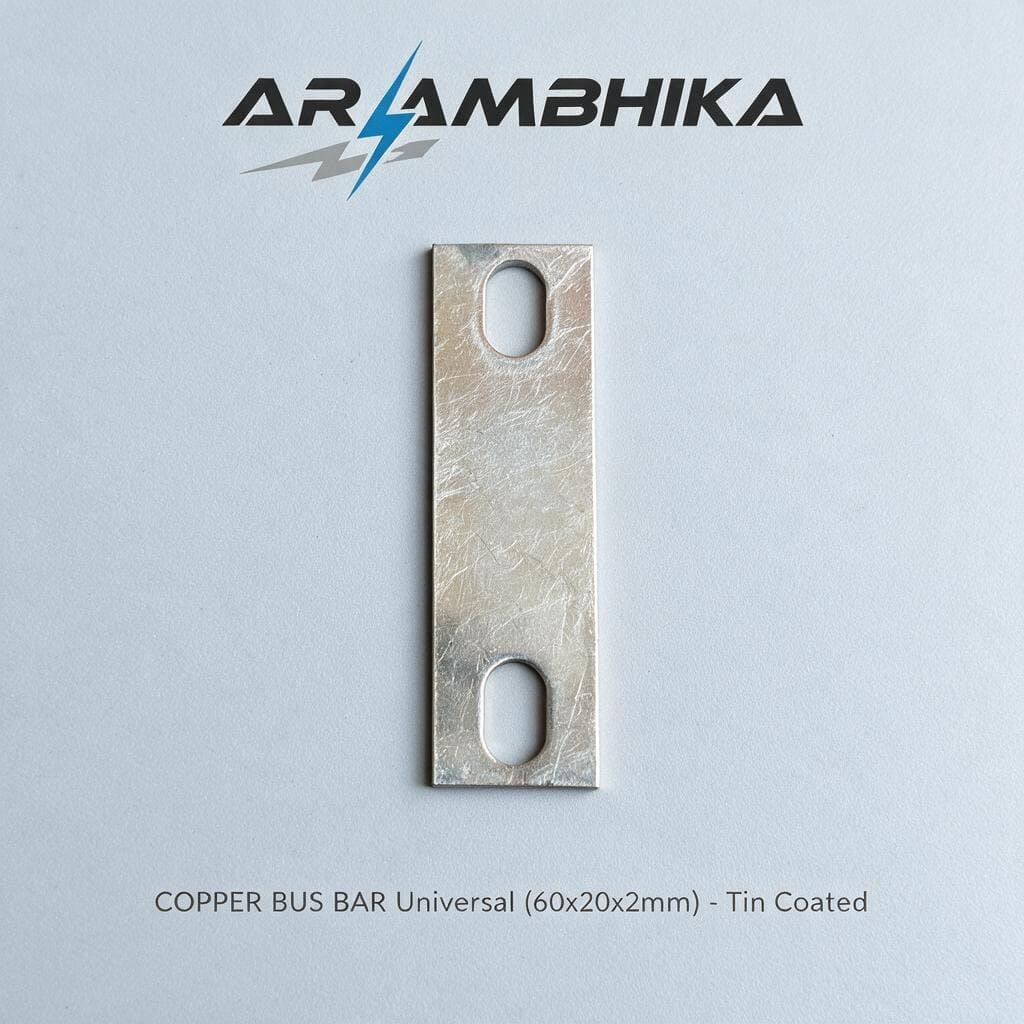
Copper and aluminium busbars
Live stock and price from our store. Tap a product to add it to your quote.
Loading products…
Frequently asked questions
What torque should I use?
The one the cell manufacturer lists for that model. We cannot give a universal figure.
How often should I re-check?
After the first few cycles, then as part of regular service, more often in vehicles with vibration.
Can I use thread locker?
Only if the cell maker allows it. Many prefer spring washers.