Cells
NMC vs LFP: Which Chemistry?
Energy, life, safety and cost compared
The two chemistries behind most lithium packs trade energy for life and cost. Match the chemistry to the job.
Side by side
| NMC | LFP | |
|---|---|---|
| Nominal cell voltage | 3.6 V | 3.2 V |
| Energy per weight | Higher | Lower |
| Cycle life | Good | Typically longer |
| Thermal stability | More sensitive | More tolerant |
| Best for | Light, compact e-bikes and scooters | Inverters, storage, heavier vehicles |
Guide by use
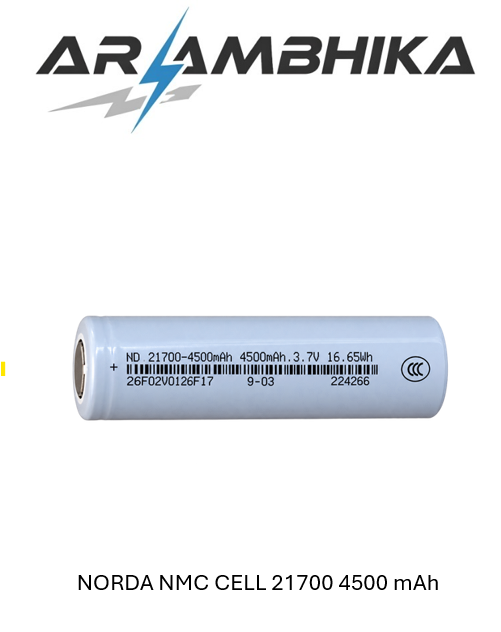
- E-bike and light scooter: NMC, such as 21700 cells, for the best range per kilo.
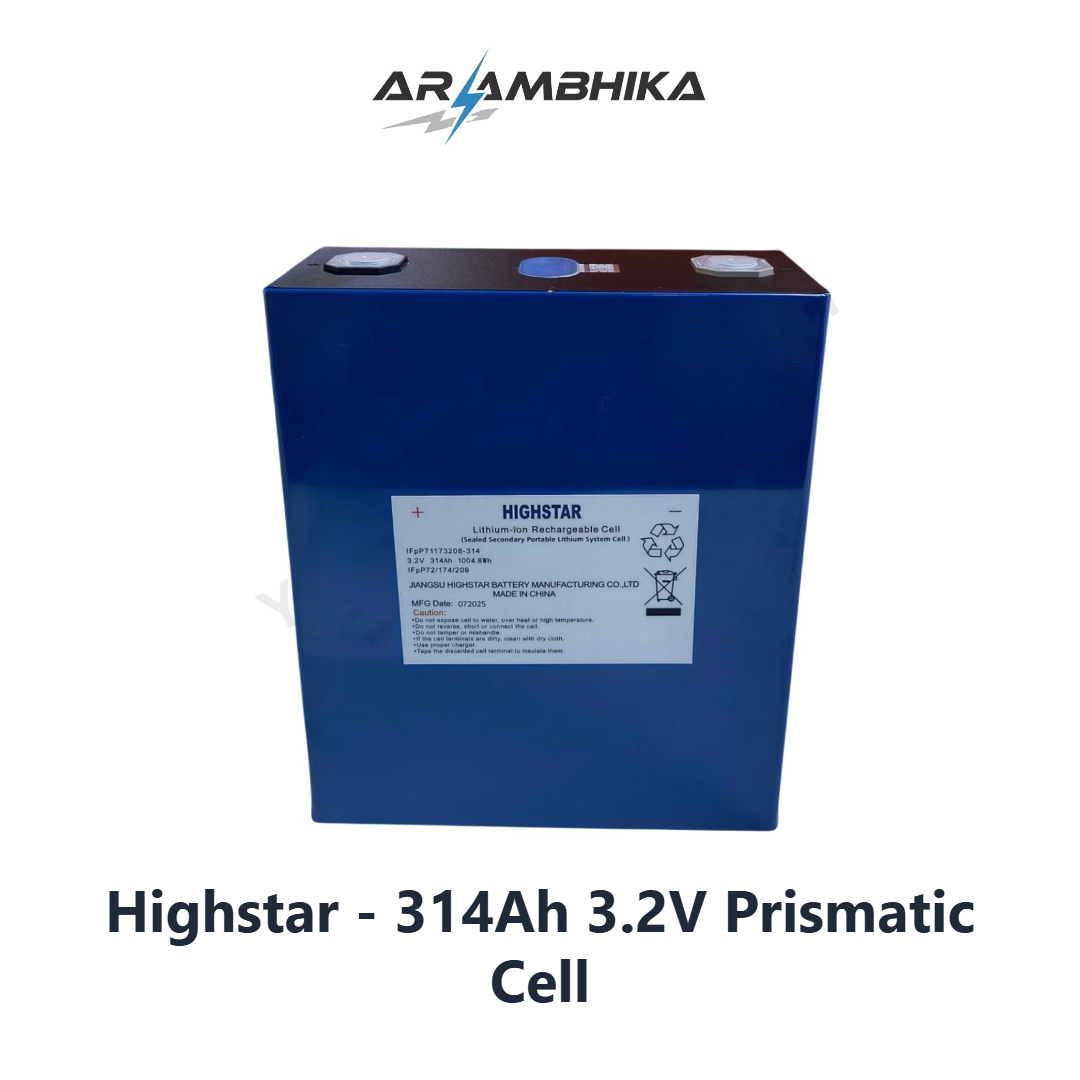
- Home inverter and solar storage: LFP, for life and heat tolerance; see 314Ah cells.
- E-rickshaw and cargo: LFP for daily deep cycling.
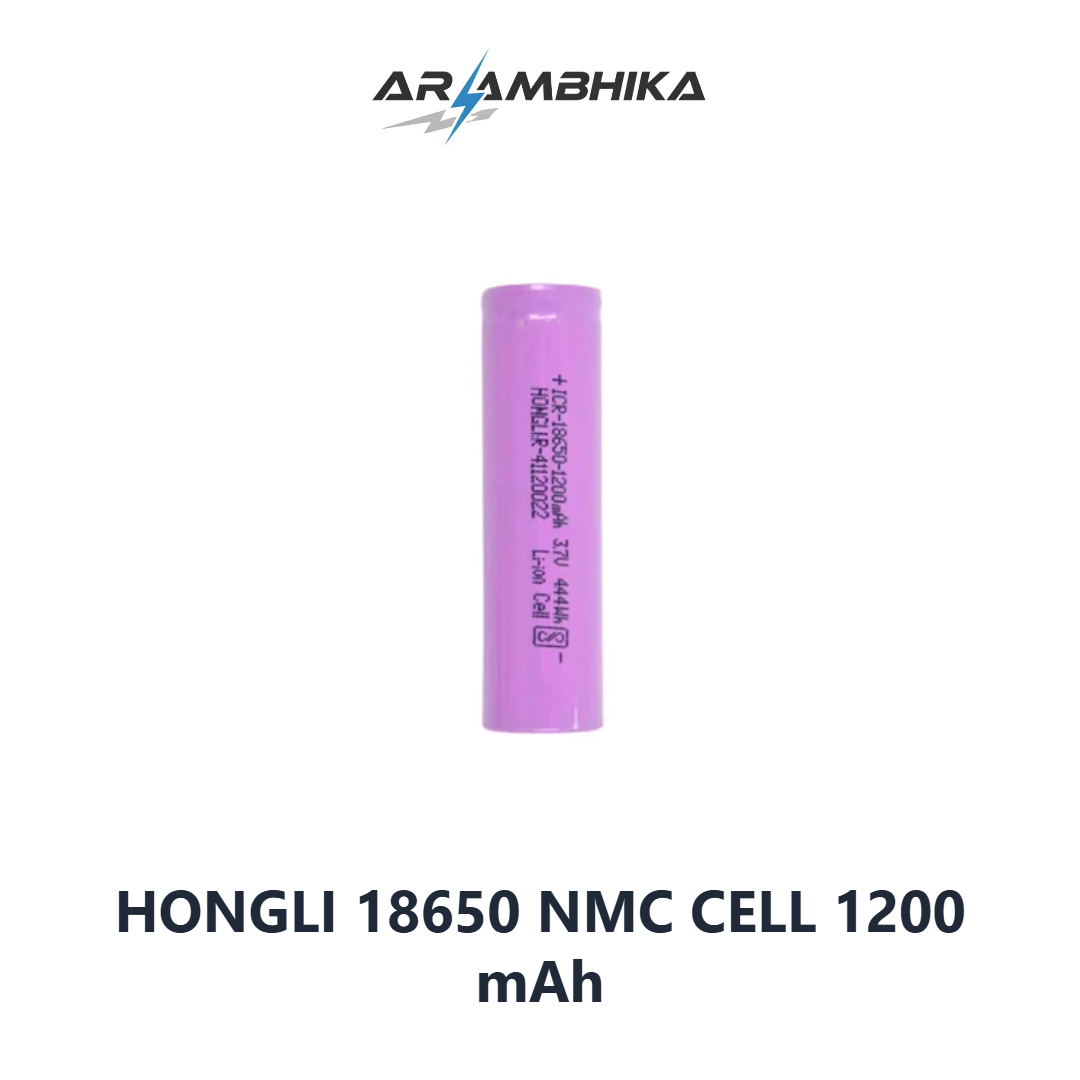
- Small gadgets: NMC 18650.
Different BMS, different charger
The chemistries have different voltage limits. Always use a BMS and charger made for your chemistry. See the series count table and our LFP solar guide.
General guidance only. Check cell, BMS and strip datasheets and the standards that apply to your product before you build or sell a pack.
Products in this guide
NMC and LFP cells
Live stock and price from our store. Tap a product to add it to your quote.
Loading products…
Frequently asked questions
Which is safer, NMC or LFP?
LFP is generally more thermally stable, but both are safe when well built with the right BMS and charger.
Which is lighter for the same energy?
NMC, because its cells store more energy per kilo.
Can I swap chemistries in a pack?
Not without changing the BMS and charger. Their voltage ranges differ.