Basics
Series and Parallel Explained
The simple maths behind every pack label
Every pack label hides a bit of arithmetic. Once you know it, you can design any battery.
The rules
- Series (S) adds voltage. Capacity stays the same.
- Parallel (P) adds capacity. Voltage stays the same.
So a 13S4P pack of 4.5 Ah cells has 13 x 3.6 = 46.8 V and 4 x 4.5 = 18 Ah. Energy is voltage times capacity: 46.8 x 18 = 842 Wh. Cells needed: 13 x 4 = 52.
Worked examples
| Layout | Cell | Voltage | Capacity | Energy |
|---|---|---|---|---|
| 13S4P | NMC 21700 4.5Ah | 46.8 V | 18 Ah | 842 Wh |
| 16S1P | LFP 314Ah | 51.2 V | 314 Ah | 16,077 Wh |
| 4S4P | LFP 32140 15Ah | 12.8 V | 60 Ah | 768 Wh |
| 20S2P | NMC 18650 2.6Ah | 72 V | 5.2 Ah | 374 Wh |
Working backwards
- Choose the voltage the motor or inverter needs, which fixes S.
- Choose the energy you want, divide by voltage to get Ah.
- Divide by the cell's Ah to get P.
- Check current per cell against its rating.
Connect it
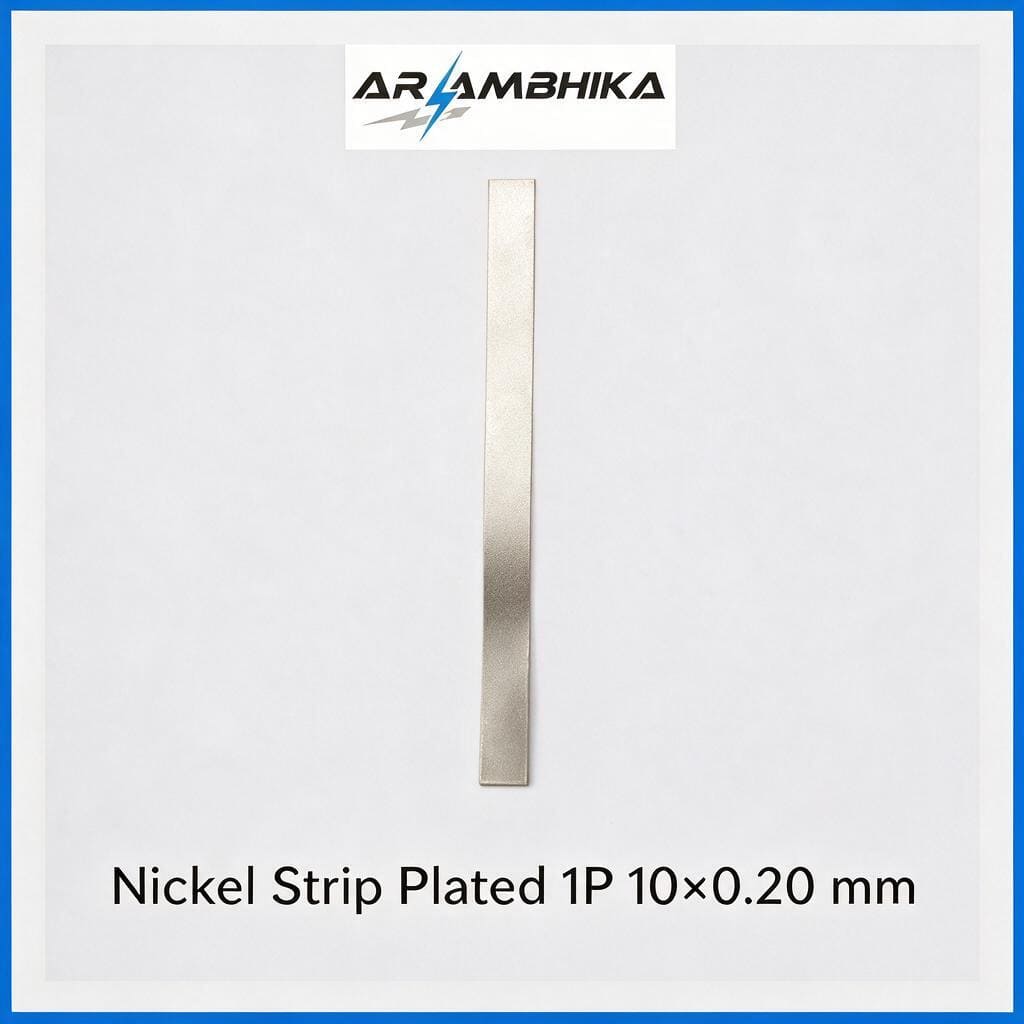
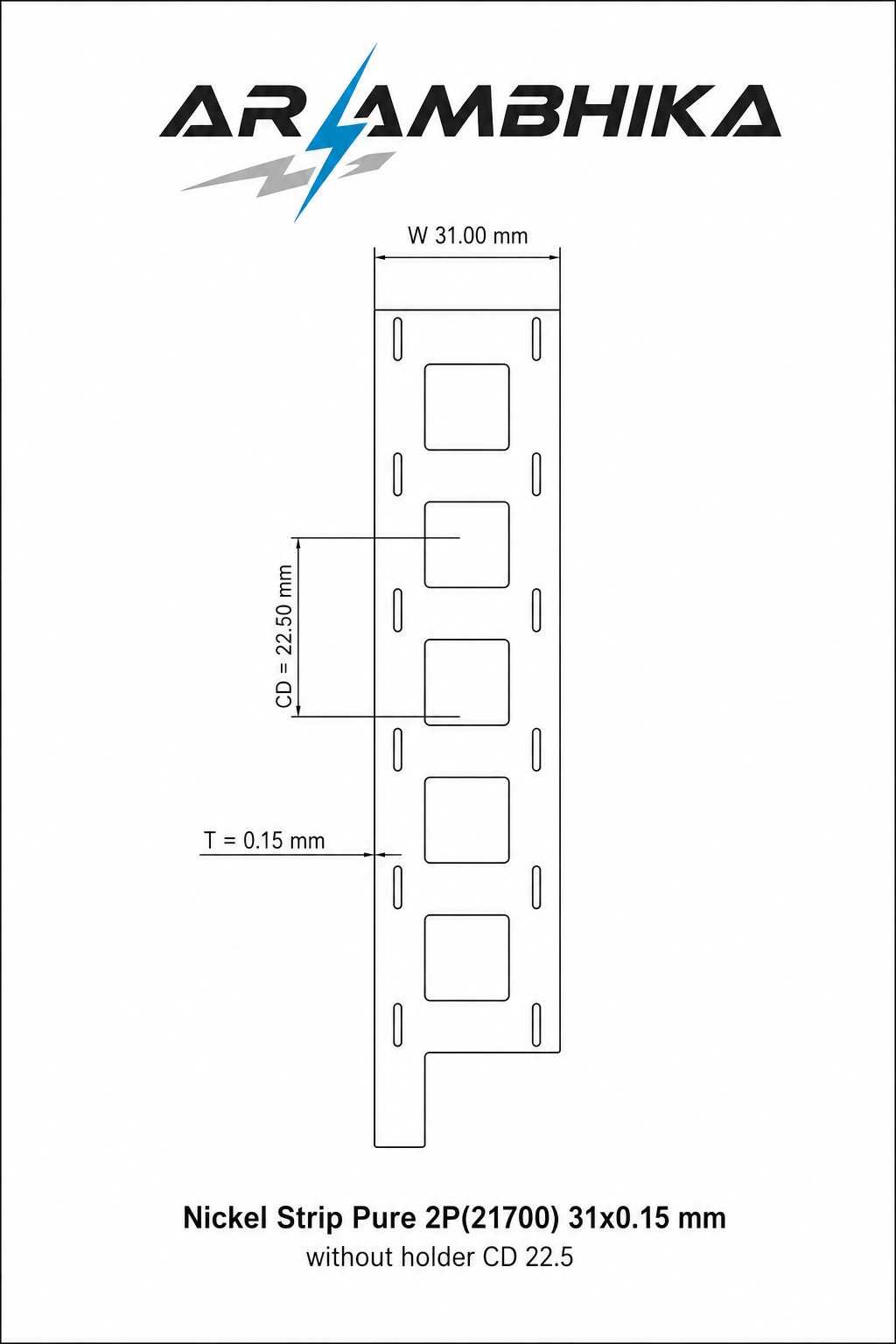
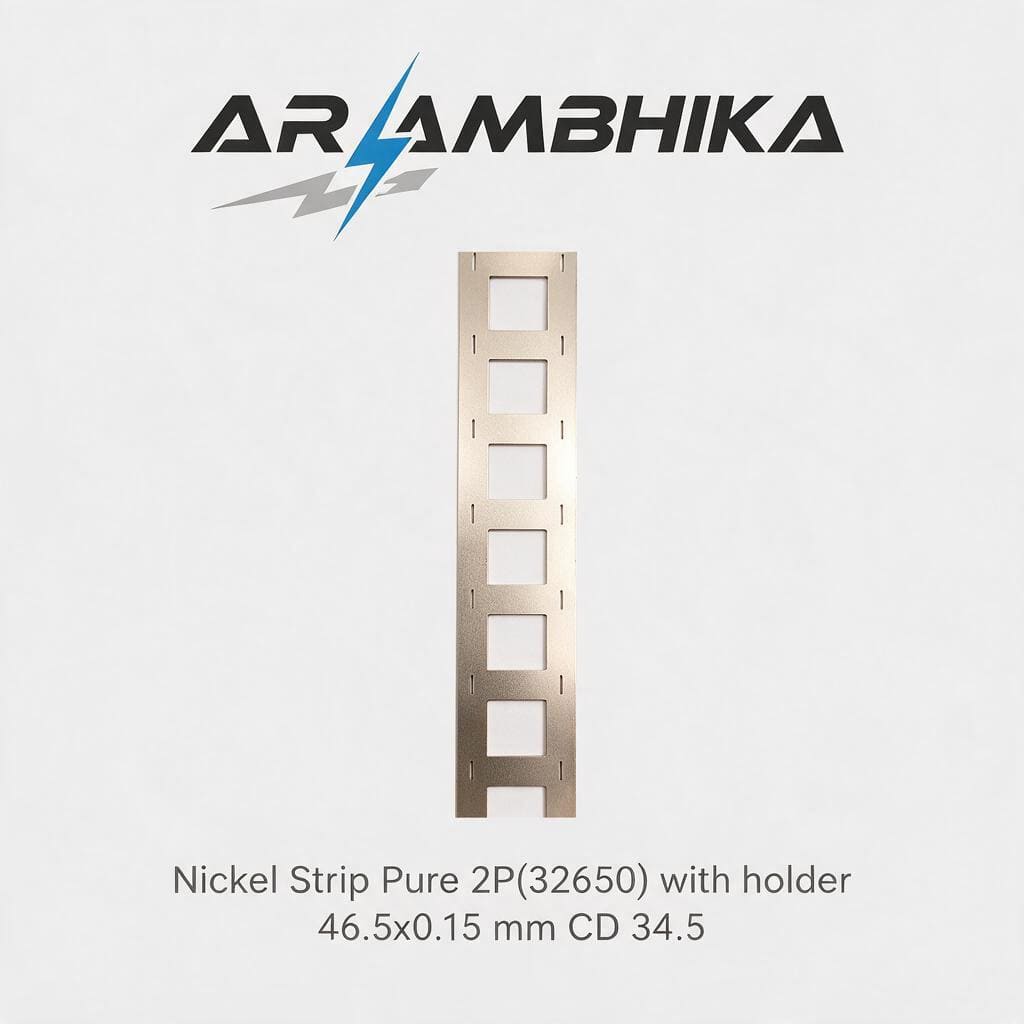
Spot-welded packs link cells with strip such as 2P strip; prismatic packs use busbar. Cells: Norda 21700. See the 13S4P build.
General guidance only. Check cell, BMS and strip datasheets and the standards that apply to your product before you build or sell a pack.
Products in this guide


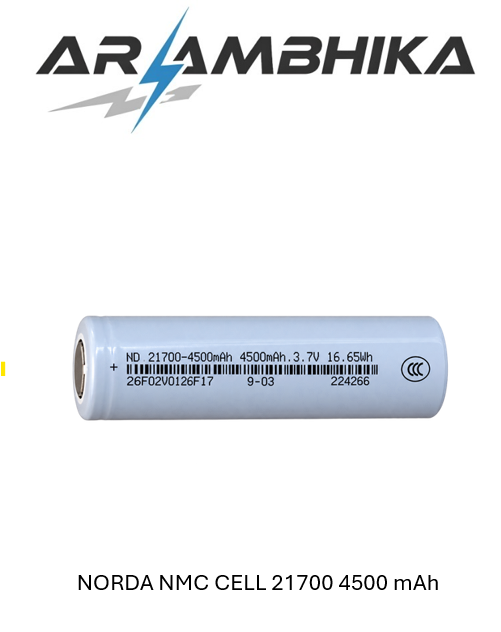
Cells and strip for any layout
Live stock and price from our store. Tap a product to add it to your quote.
Loading products…
Frequently asked questions
What does 16S1P mean?
16 cells in series with one cell per group, so one string of 16.
Does adding parallel cells increase voltage?
No. Parallel cells increase capacity and current capability, not voltage.
How do I find the cells needed?
Multiply S by P. A 13S4P pack needs 52 cells.