Pack Building
Pack Heat in Indian Summers
Five practical ways to run cooler
A pack that runs hot ages fast. Heat comes from resistance and from the sun, and both can be reduced in the design.
1. Lower the resistance in the path
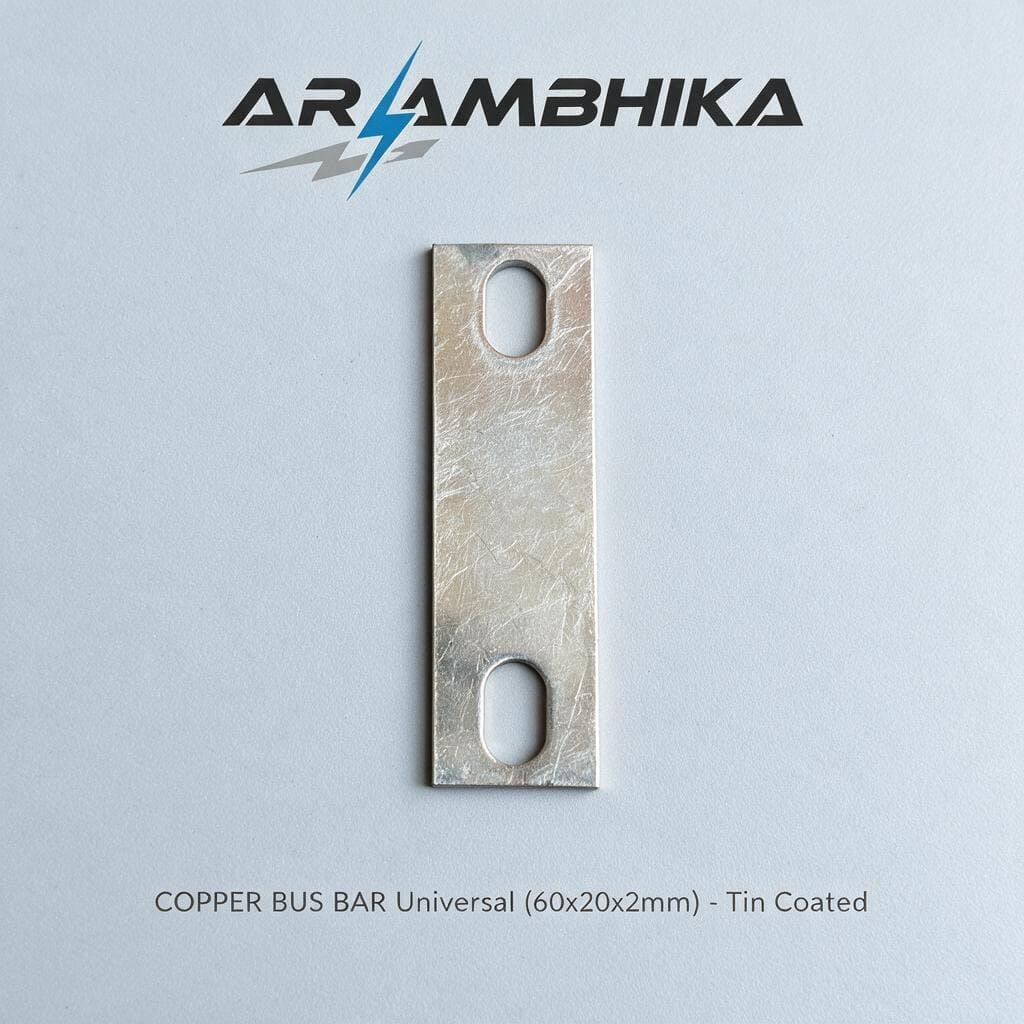
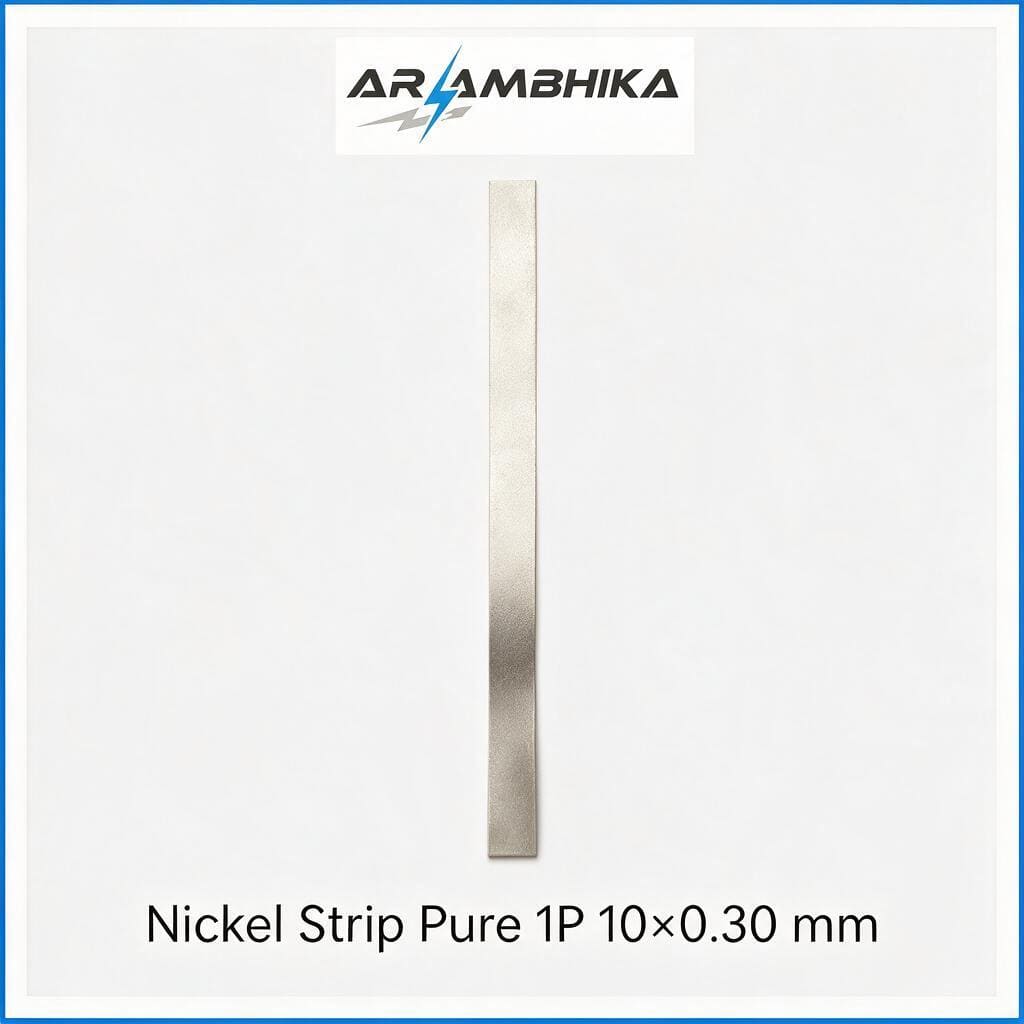
Heat in a conductor is current squared times resistance. Use a bigger cross-section, for example pure 10x0.30 mm strip or copper busbar, where current is high. See the sizing guide.
2. Make every joint good
Poor welds and loose bolts are hot spots. Pull-test welds and torque busbar bolts as in our joint guide.
3. Leave air gaps
Cell holders set a gap between cells so heat can leave. Do not pack cells so tightly that air cannot move, unless you design a heat path another way.
4. Keep the sun and the electronics away from cells
Shade the battery bay, mount the BMS away from cells and use a vent where the design allows. Do not trap a hot BMS against cells.
5. Move heat with a conductive gel
A thermally conductive potting gel can carry heat from the BMS to the case.
Measure, do not guess
Fit a temperature sensor or use a thermal camera under real load. Check your BMS supports temperature cut-off; many smart boards do. Related: the pack heating troubleshooting guide.
General guidance only. Check cell, BMS and strip datasheets and the standards that apply to your product before you build or sell a pack.
Products in this guide
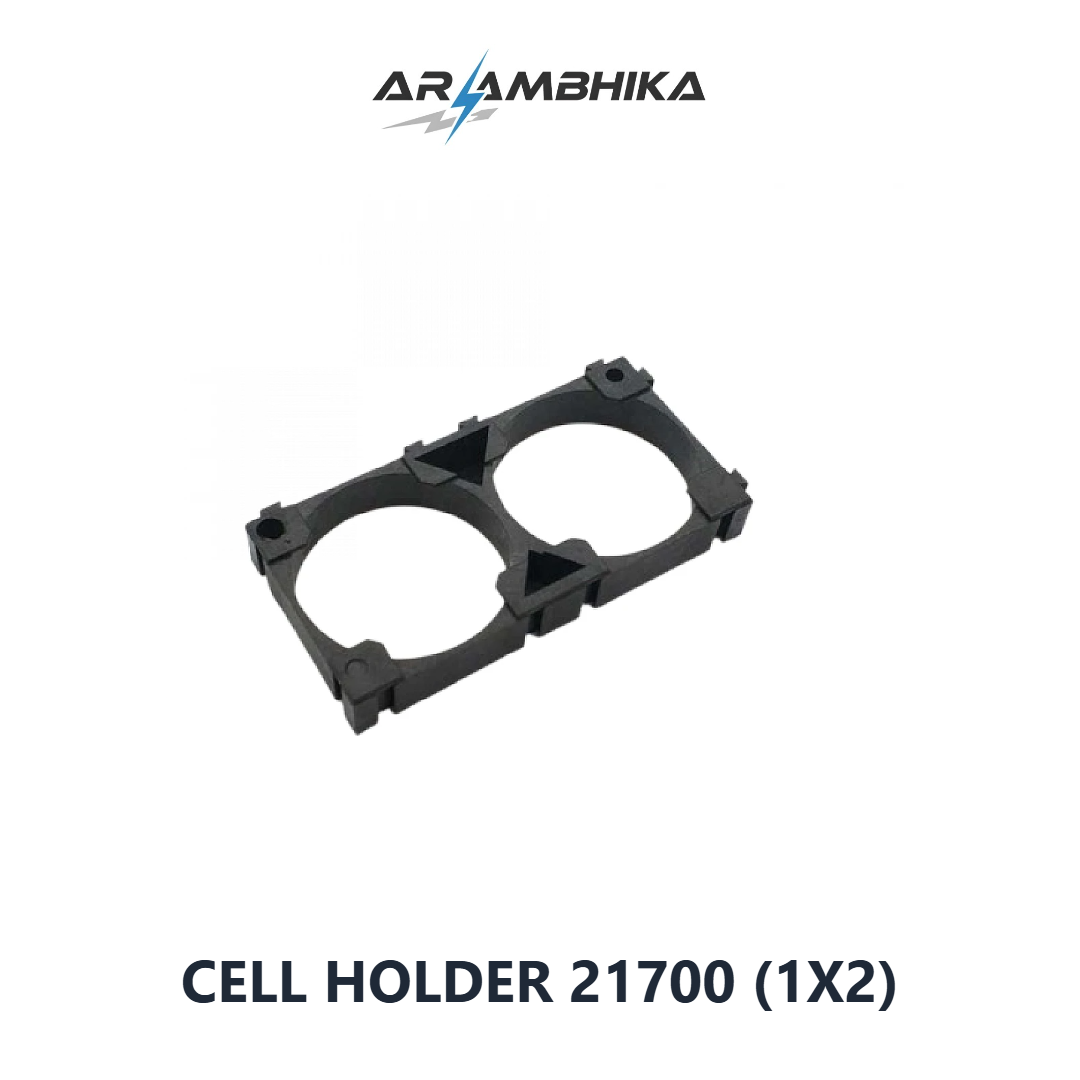
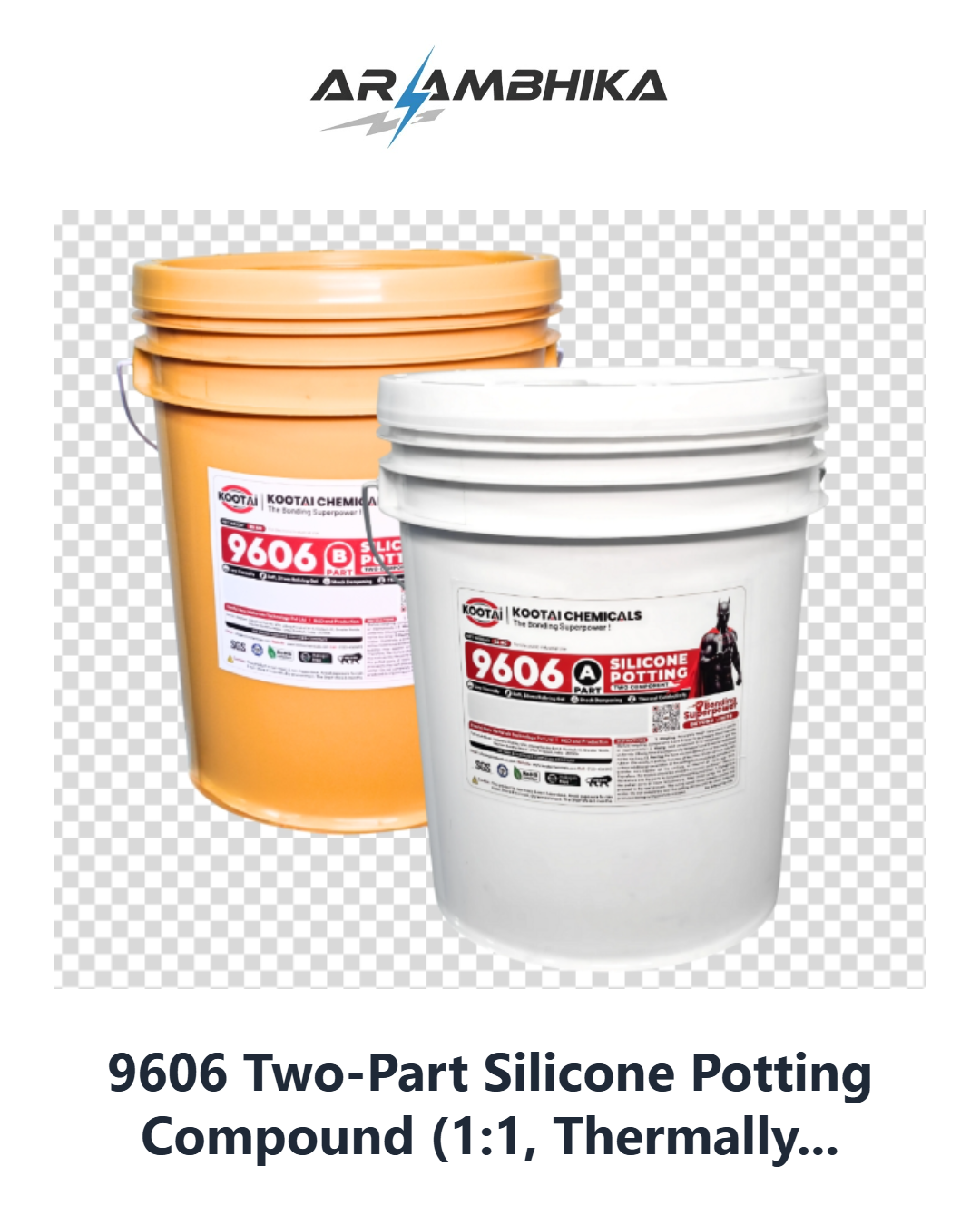
Parts that help packs run cooler
Live stock and price from our store. Tap a product to add it to your quote.
Loading products…
Frequently asked questions
What temperature is too hot for a lithium pack?
Check the cell datasheet. Charging and discharging both have maximum temperature limits.
Does a bigger BMS run cooler?
A higher-rated BMS running well below its limit usually runs cooler.
Will a fan help?
Sometimes. In sealed packs, better design of the heat path matters more than a fan.