How-To
Build a 13S 48V 21700 Pack
Cells, holders, strip and BMS, in order
A 13S pack of NMC cells is the common 48 V build for e-bikes and scooters. With 21700 cells, four in parallel per group gives a useful 18 Ah pack.
The maths
13 groups in series at 3.6 V nominal is 46.8 V (about 54.6 V fully charged). With four 4500 mAh cells in parallel per group (13S4P, 52 cells), the pack is 18 Ah, about 842 Wh nominal.
Parts list
- 52 cells, all from one batch: DMEGC 4500 mAh or Norda 4500 mAh
- Holders: 21700 1X2 cell holders
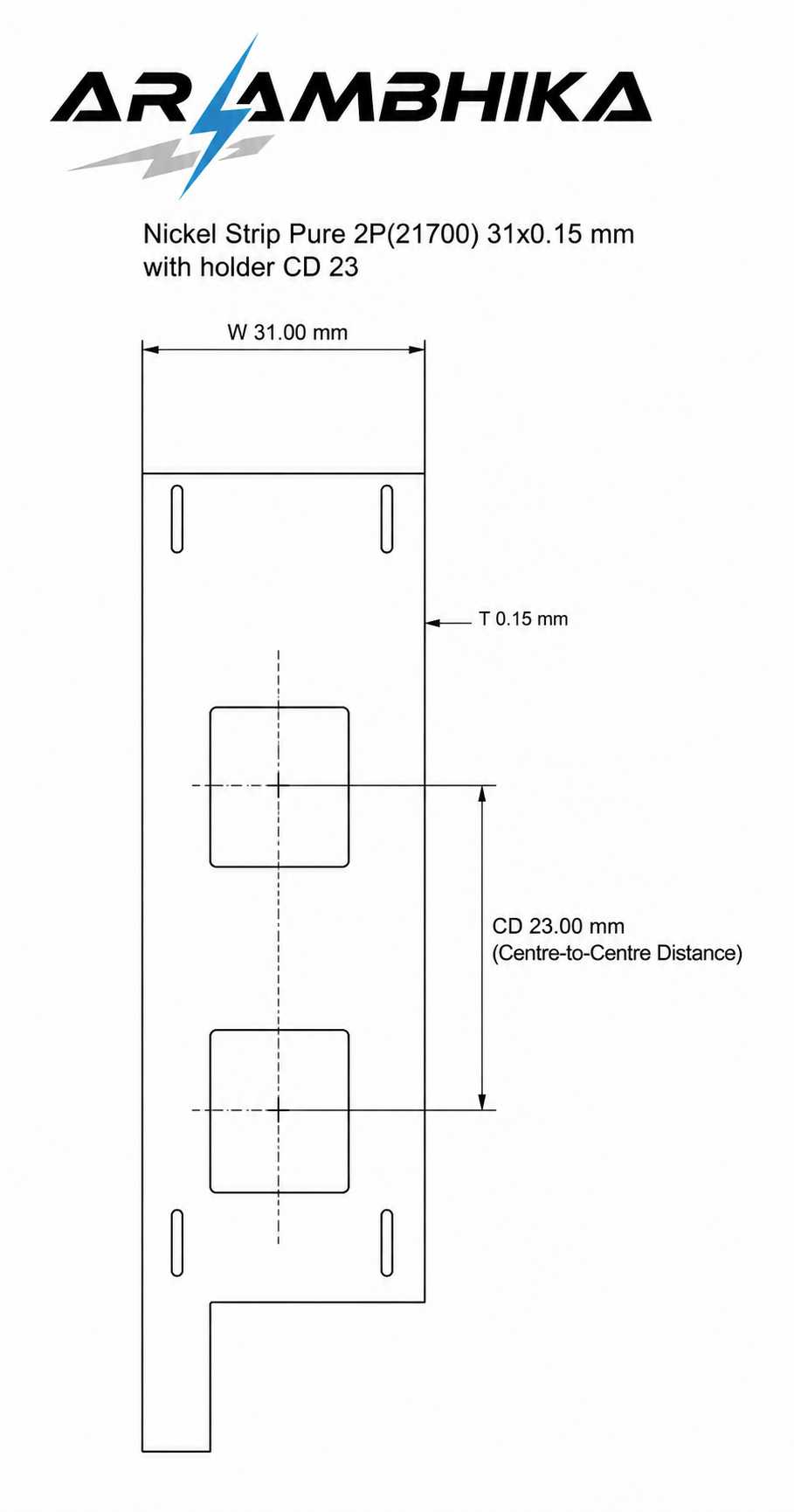
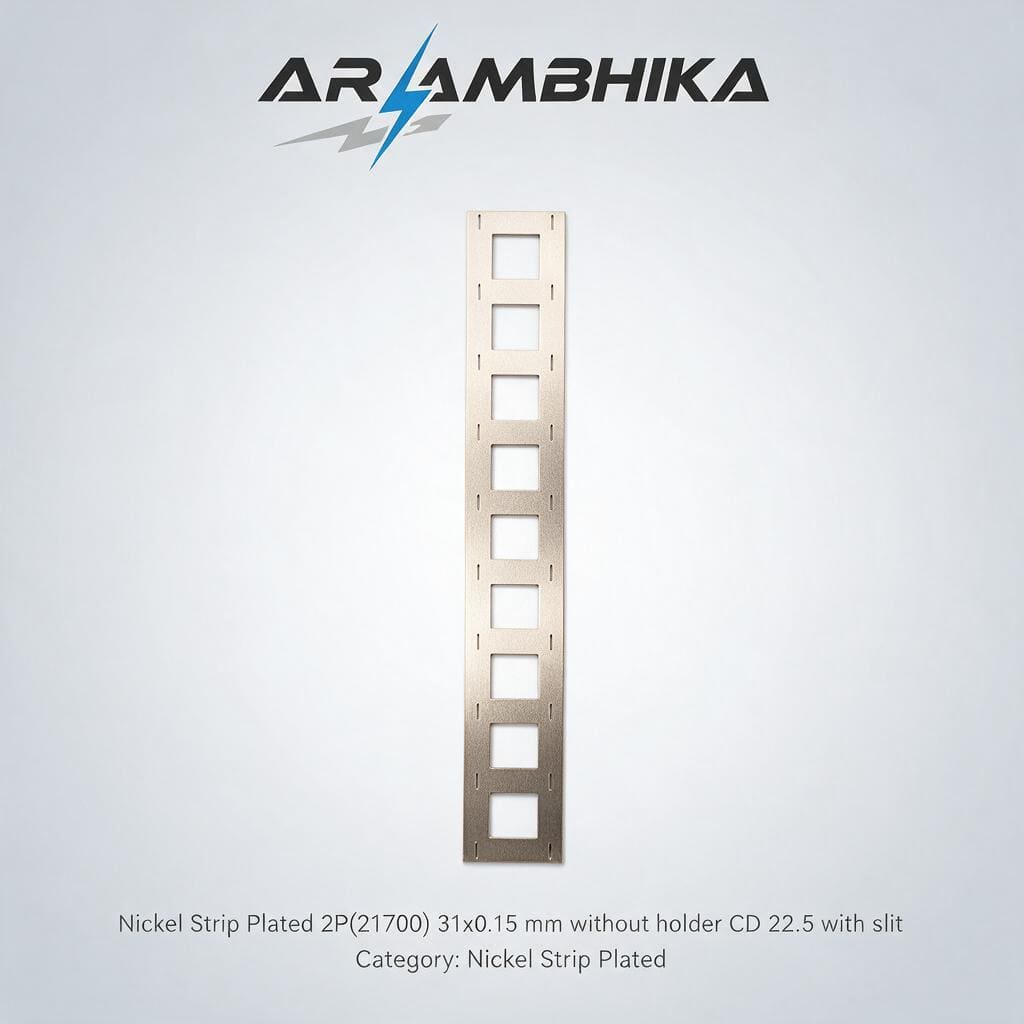
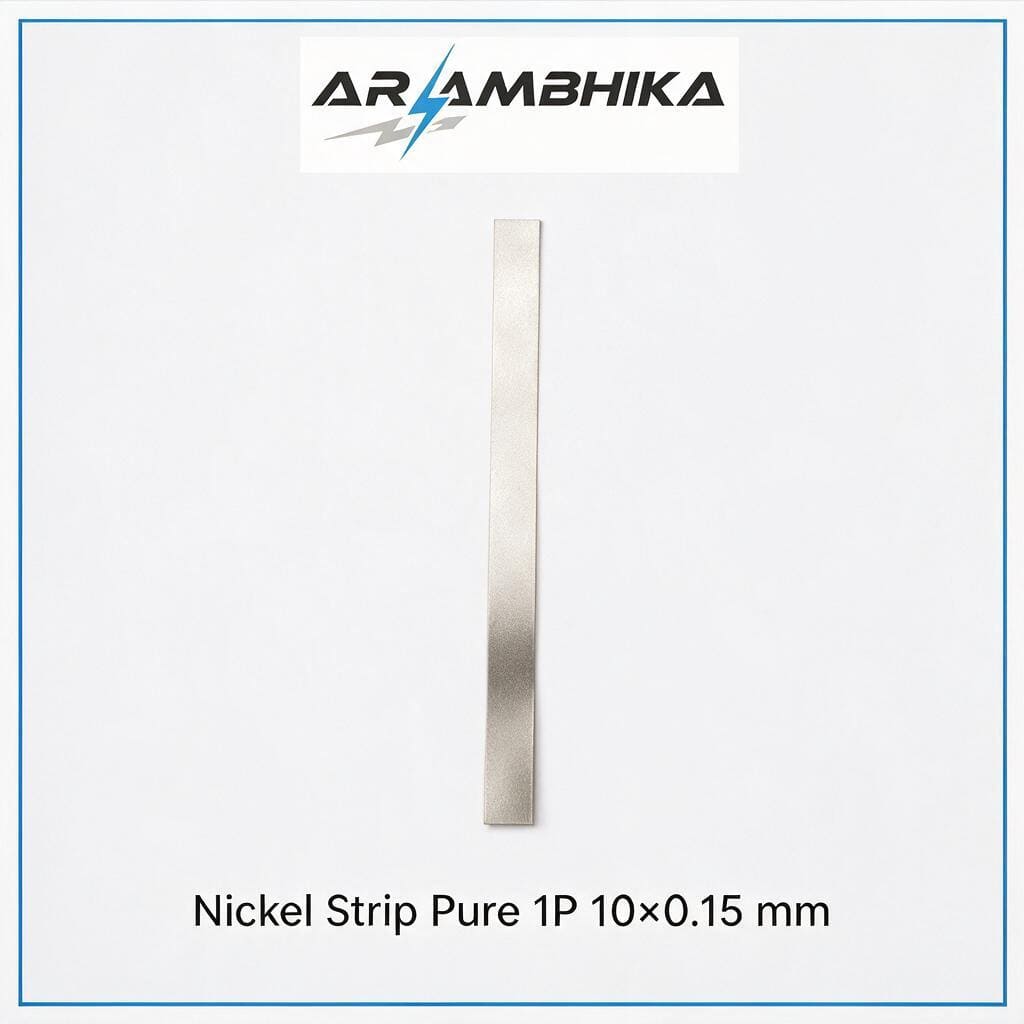
- Strip: plated 2P 21700 strip with holder, or pure nickel for higher current
- BMS: Daly NMC 13S 60A smart BMS
- Insulation, fuse, output cable and a case
Assembly order
- Sort the cells. Measure voltage and keep all within a close range. Never mix batches or brands.
- Fit the holders. Build the 4-cell parallel groups with matching orientation.
- Weld the strip. Spot-weld each terminal with settings from test welds, as in our spot-welding guide.
- Add the BMS. Connect the balance leads in sequence, then the main leads, following the BMS manual.
- Insulate and test. Cover exposed strip, close the case, then test charge and discharge slowly.
Check the current
Confirm the cell discharge rating times four, the strip size and the 60 A BMS all cover your motor's peak draw. See the BMS rating guide, and the broader 48V scooter guide.
General guidance only. Check cell, BMS and strip datasheets and the standards that apply to your product before you build or sell a pack.
Products in this guide
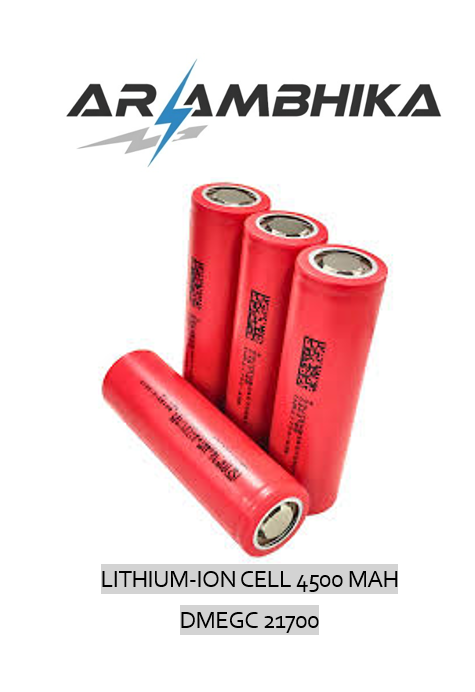
 LITHIUM-ION CELL 4500 mAh DMEGC 21700
₹148.5 / Pcs
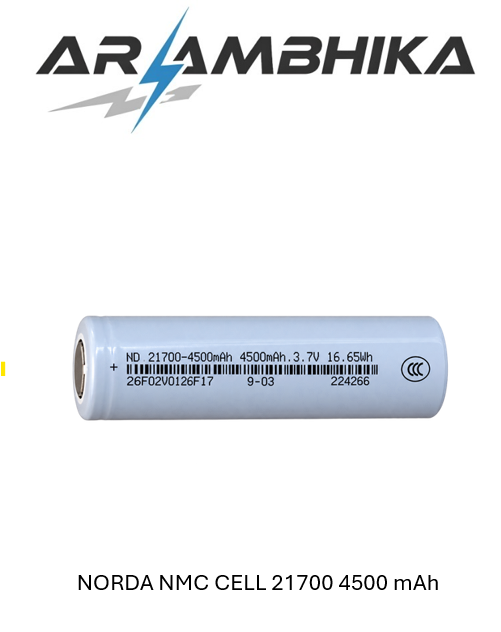 NORDA NMC CELL 21700 4500 mAh
₹150 / Pcs
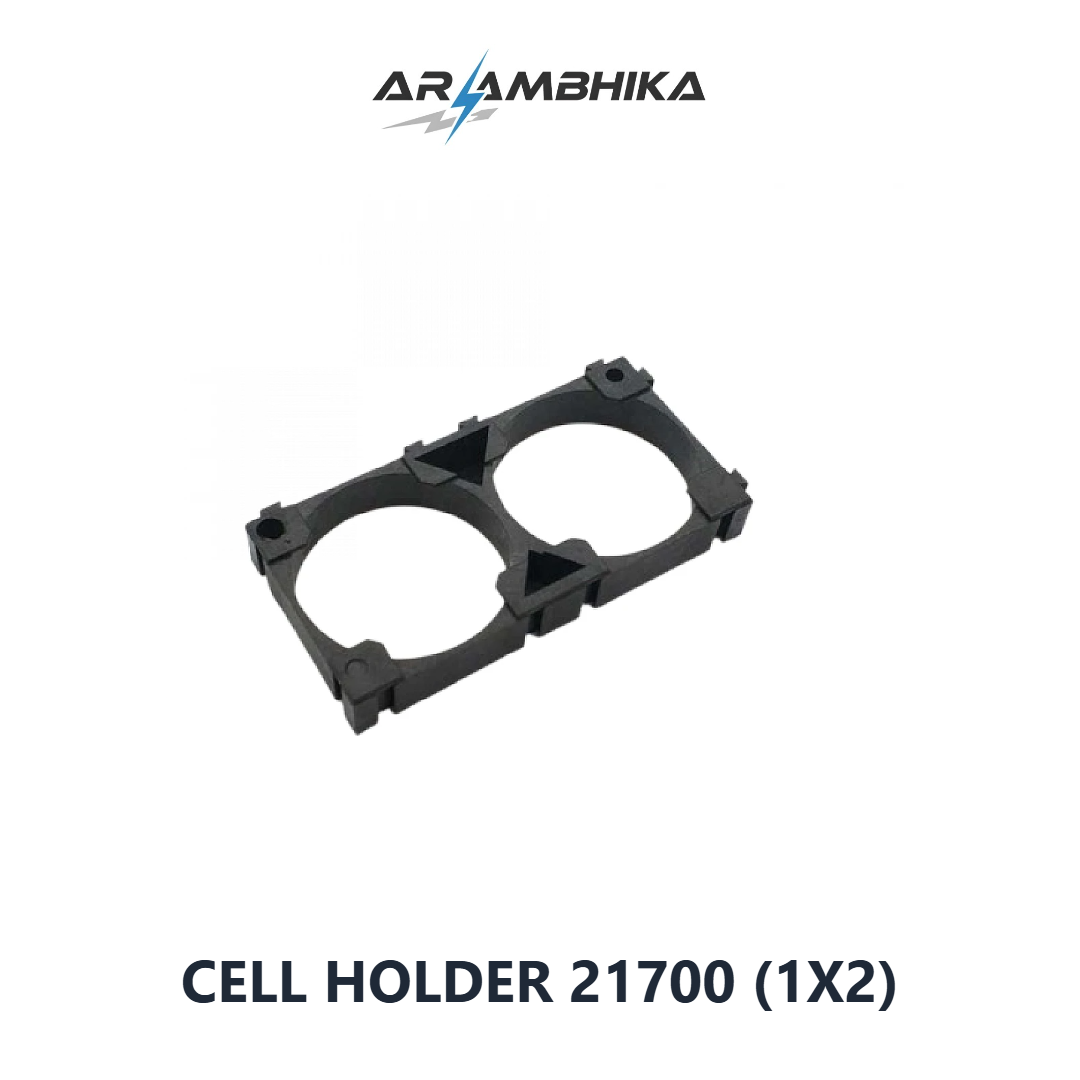 CELL HOLDER 21700 (1X2)
₹1.75 / Pcs
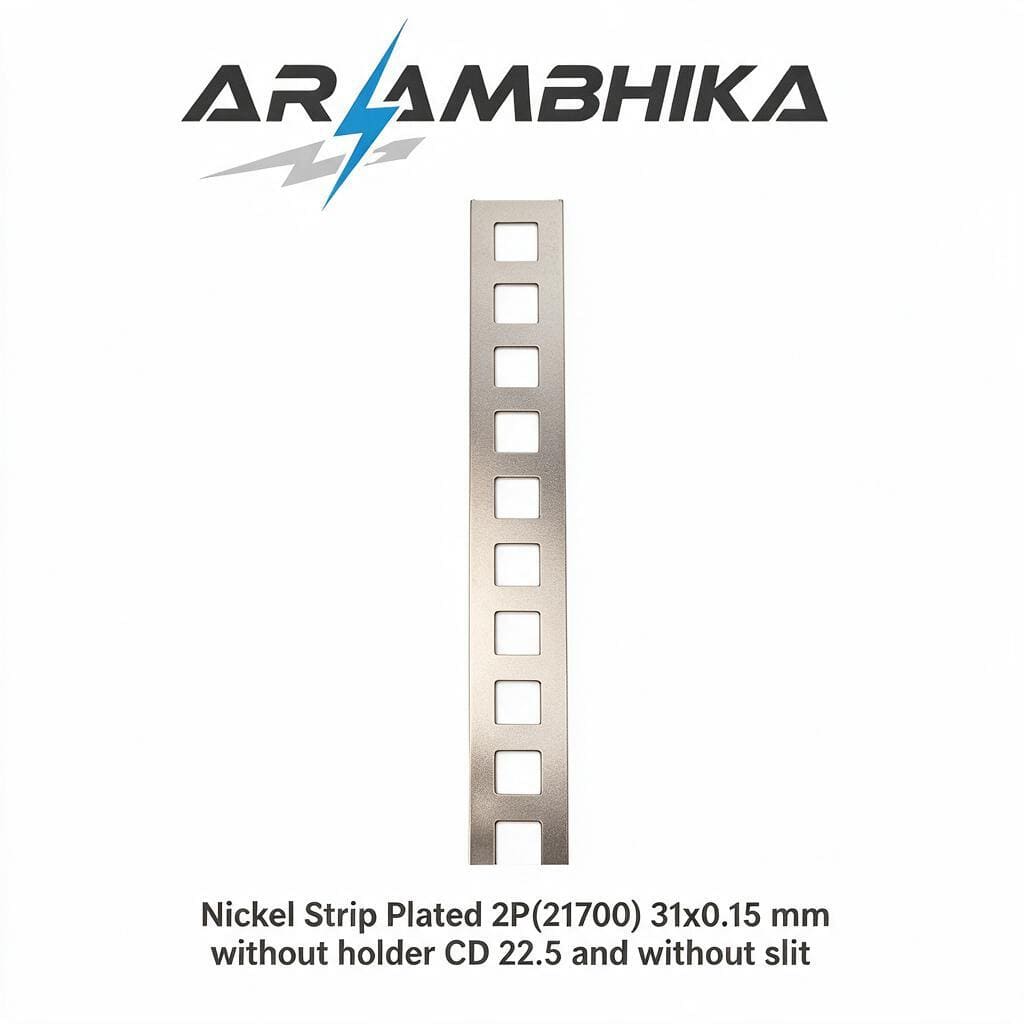 Nickel Strip Plated 2P(21700) 31x0.15 mm CD 22.5 with holder with slit
₹760 / KG
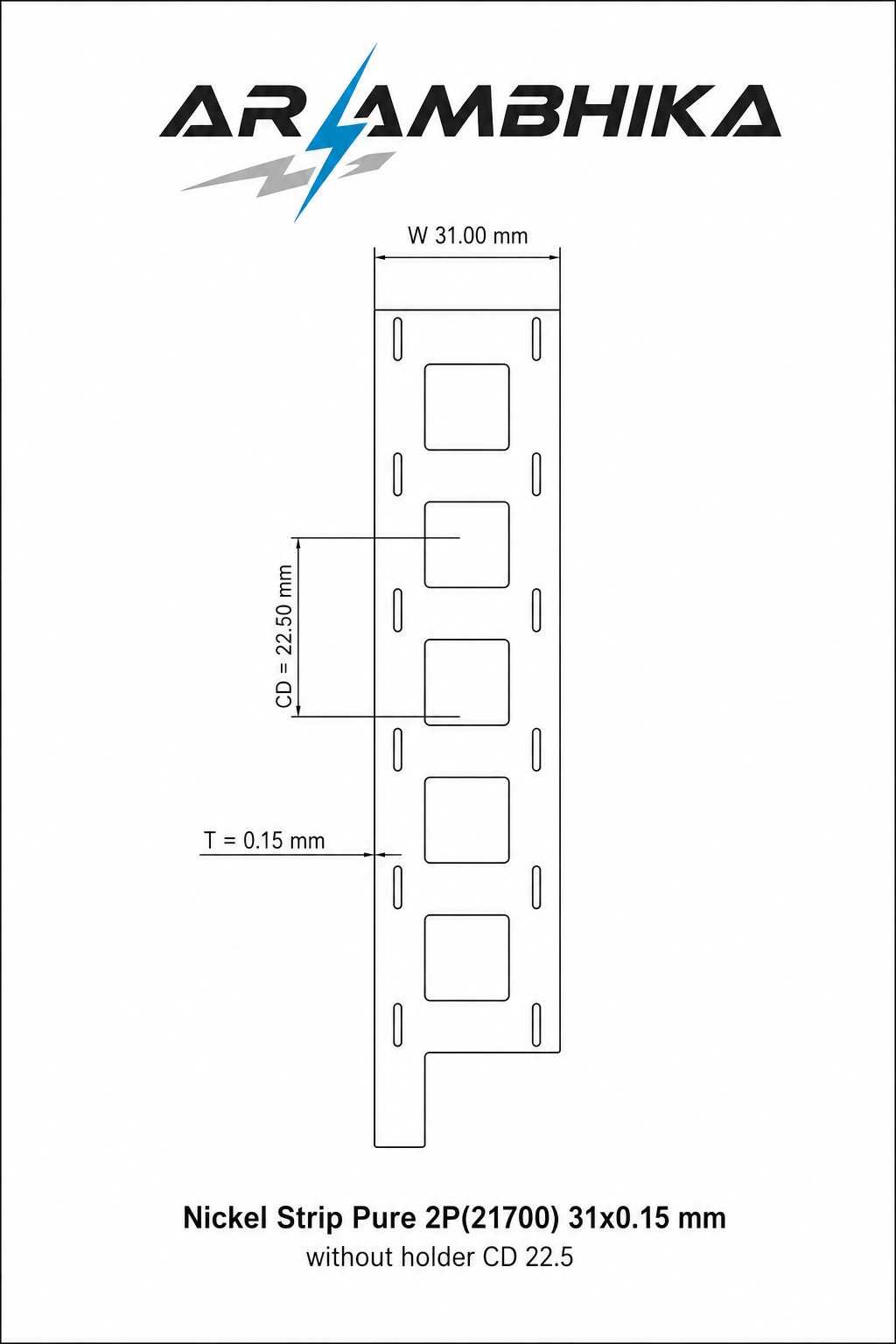 Nickel Strip Pure 2P(21700) 31x0.15 mm CD 22.5 with holder
₹4,200 / KG
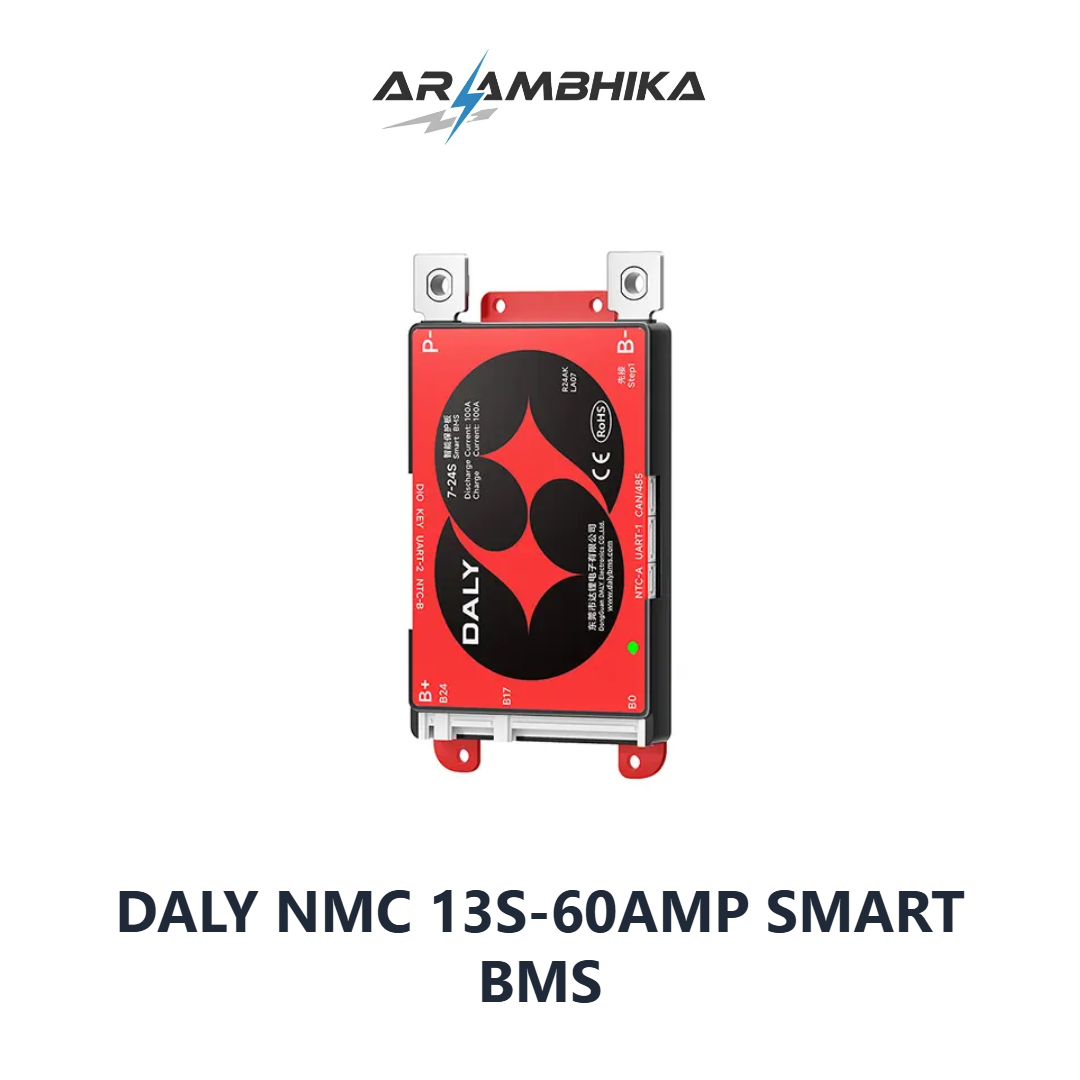 DALY NMC 13S-60AMP SMART BMS
₹2,467 / Pcs
Parts for a 13S 21700 pack
Live stock and price from our store. Tap a product to add it to your quote.
Loading products…
Frequently asked questions
What does 13S4P mean?
13 cell groups in series, with 4 cells in parallel in each group. That is 52 cells in total.
How far can this pack take a scooter?
It depends on the vehicle, load and riding. As a rough guide, 842 Wh at 25 Wh per km would be about 33 km. Treat it as an estimate only.
Should I use plated or pure strip?
Plated is the economical choice for moderate current. Pure nickel carries more current for the same size, suiting higher loads.