BMS Guide
Daly 30S BMS for 96V Packs
High-voltage LFP for larger vehicles
Thirty LFP cells in series make a battery near 96 V. Higher voltage means lower current for the same power, which suits larger vehicles.
The voltage maths
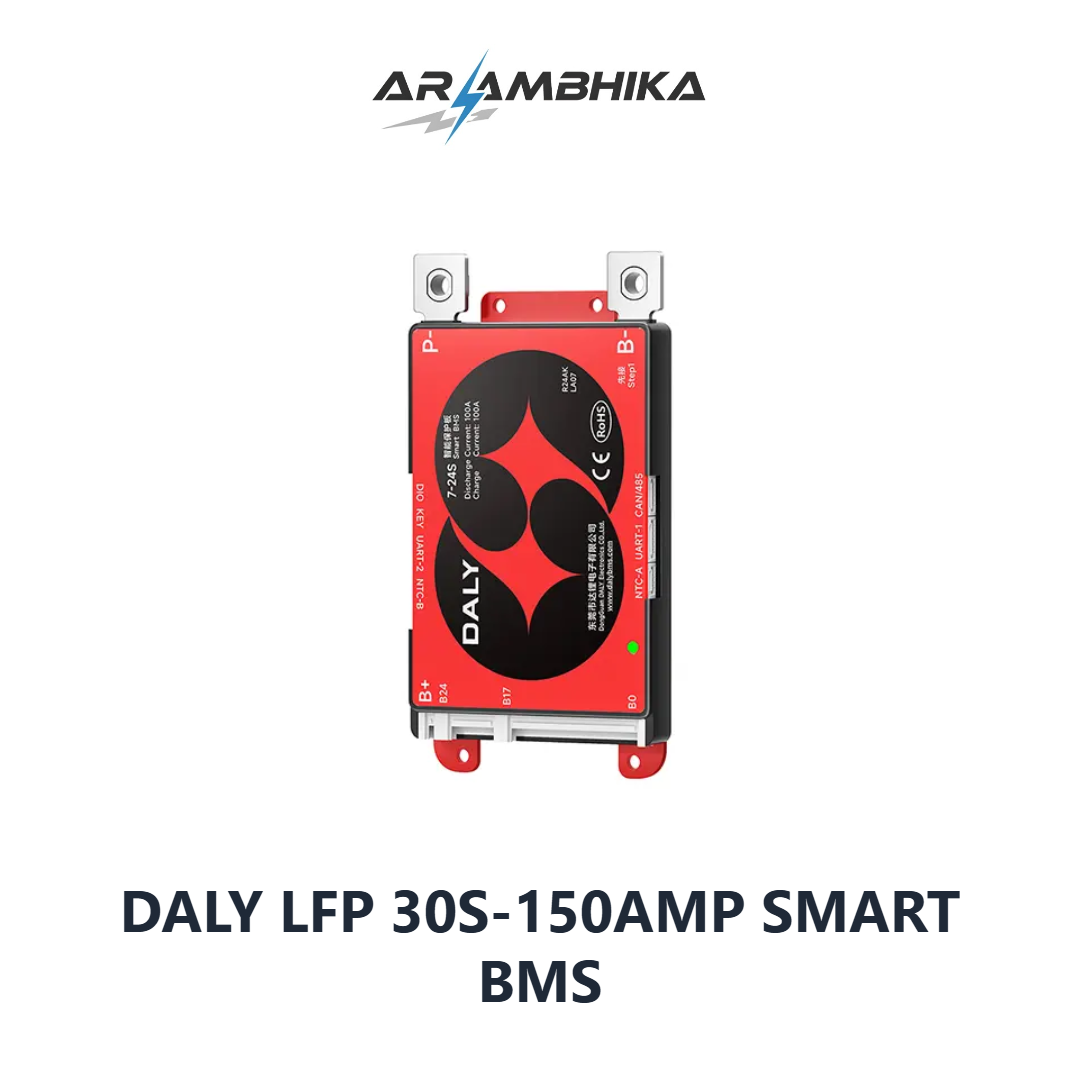
30 cells at 3.2 V nominal gives 96 V; fully charged it sits near 109 V. At that voltage a 150 A board handles about 14 kW, using the Daly LFP 30S 150A smart BMS.
Why go to 96V
- Less current for the same power, so thinner cable and cooler joints.
- Better for larger motors, small electric trucks and some forklift-type uses.
- Fewer parallel strings needed for the same output.
Safety is different at this voltage
Anything above 60 V DC needs more care. Use insulated tools, plan clear isolation between modules, and fit a main contactor or breaker rated for the voltage. Consider a service disconnect so the pack can be split into lower-voltage sections during assembly.
Parts to pair
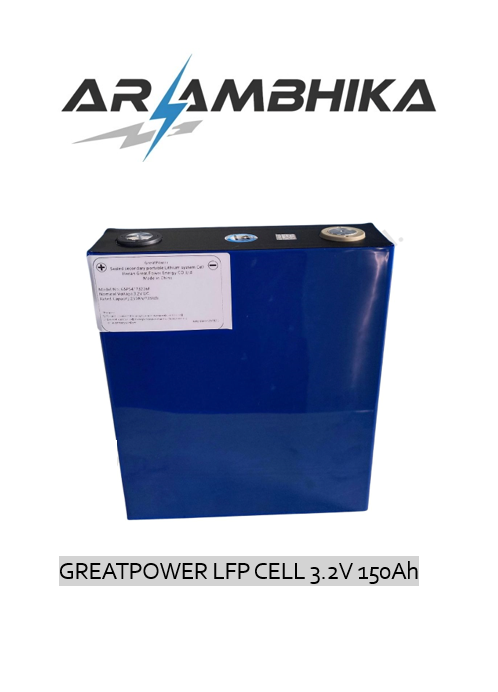
Choose matched prismatic cells such as the 150Ah GreatPower or Ganfeng 150Ah, tin-coated copper busbar, and epoxy sheet between modules. See the series count guide for lower-voltage options.
General guidance only. Check cell, BMS and strip datasheets and the standards that apply to your product before you build or sell a pack.
Products in this guide

High series-count Daly BMS
Live stock and price from our store. Tap a product to add it to your quote.
Loading products…
Frequently asked questions
How many cells is a 96V LFP pack?
30 in series (30S), about 96 V nominal.
Is a 30S pack more dangerous than 48V?
Higher voltage carries a bigger shock risk. Work with insulated tools and follow safe isolation procedures.
Does the charger have to match?
Yes. Use a charger made for a 30S LFP pack at the correct charge voltage.